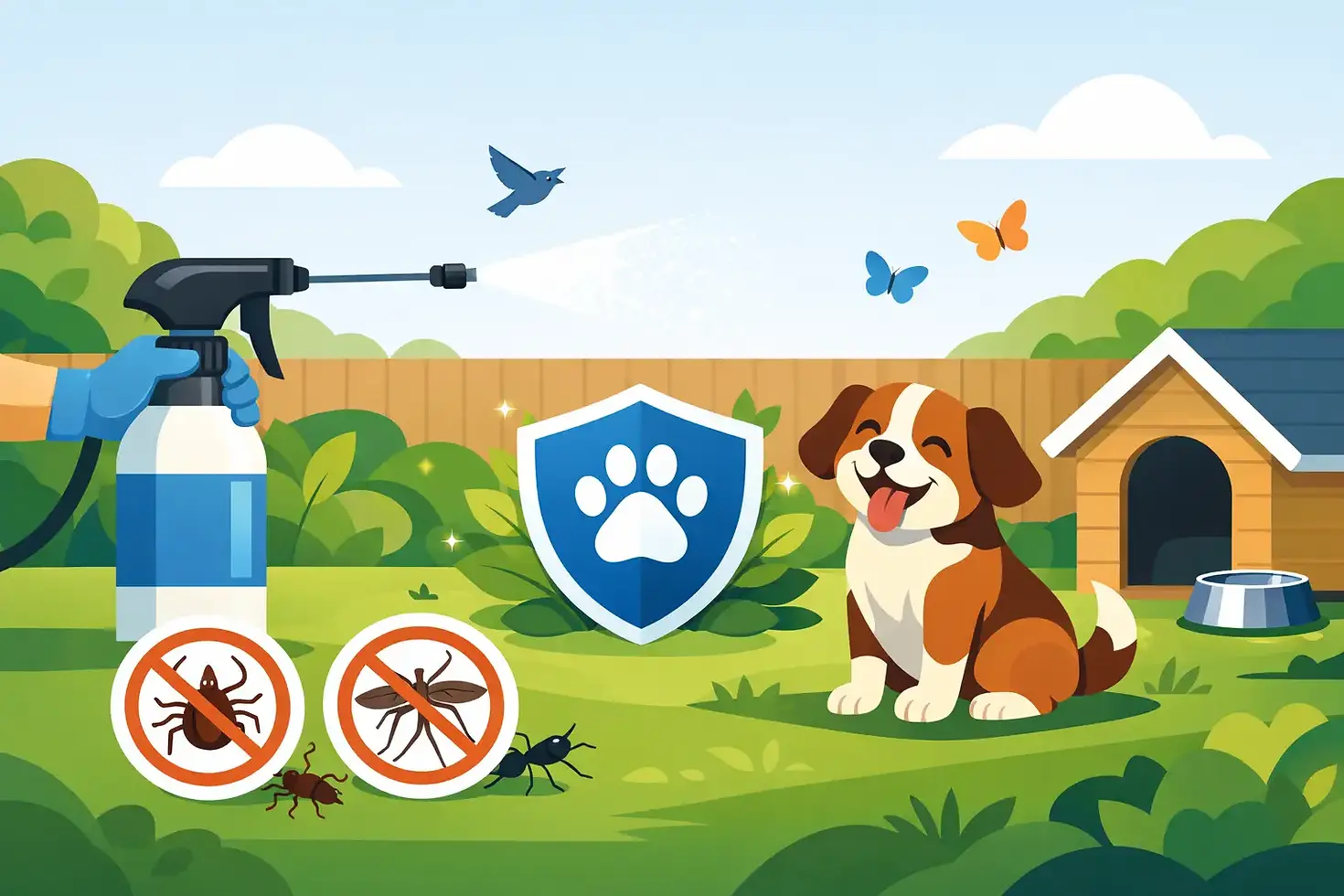
Yard Pest Control for Dogs That Feels Safe

Your dog does not care that the backyard looked perfect on Saturday. If mosquitoes swarm at dusk, fleas hide in the shady spots, or ants take over the patio, your yard stops feeling like part of the home. That is why yard pest control for dogs matters so much for families. It is not just about killing bugs. It is about making the space where your dog runs, rests, and rolls around feel safer and easier to enjoy.
For most homeowners, the challenge is not deciding whether pests are a problem. It is figuring out how to treat the yard without creating a new concern for pets. You want fewer bites, fewer itchy paws, and fewer pests making their way indoors, but you also want confidence that your dog can get back to normal backyard life without worry.
What yard pest control for dogs really means
Pet-friendly yard pest control is not the same thing as spraying the strongest product available and hoping it works out. A smart plan balances results with common-sense precautions. That usually means targeting the pests that are active in your yard, choosing treatments that are labeled and applied correctly, and paying close attention to when pets can safely return to treated areas.
It also means understanding that "safe for dogs" is not the same as "drink it, roll in it, and ignore the label." Even products designed with pets in mind still need to be used the right way. The difference comes from proper application, dry time, placement, and using the right treatment for the right pest.
For families in North Texas, that often starts with the pests that make outdoor living miserable the fastest - mosquitoes, fleas, ticks, ants, and occasional nuisance pests hiding in turf, mulch, or landscaping.
The pests that cause the biggest problems for dogs
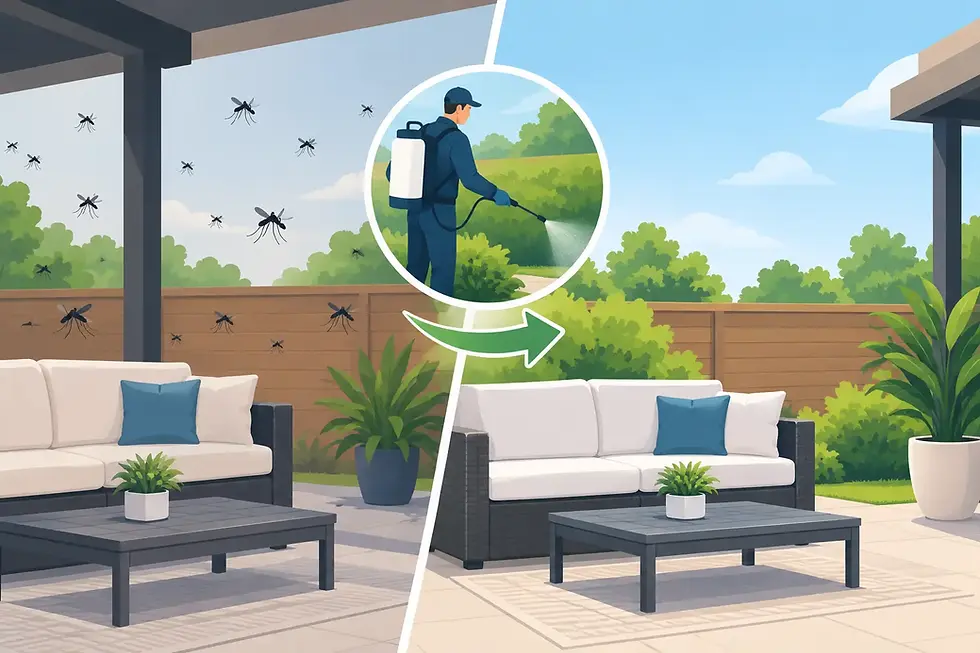
Mosquitoes are the most obvious backyard offenders because people feel them right away, but they affect dogs too. Bites are irritating, and heavy mosquito activity can keep everyone from enjoying the yard in the first place. If your dog loves lounging outside in the evening, mosquito pressure turns a simple routine into constant swatting and scratching.
Fleas and ticks are a different kind of problem. They may start outside, but they rarely stay there. Dogs bring them into the house, where the issue gets harder and more expensive to manage. Shaded areas, tall grass, leaf litter, and spots along fences are all common hiding places.
Ants matter more than many homeowners realize. Fire ants can create a real risk for dogs that sniff mounds or step into active colonies. Even non-stinging ants become a nuisance when they spread across patios, pet feeding areas, or entry points into the home.
Then there are the pests people do not always connect to yard conditions - spiders around structures, roaches moving in from damp exterior areas, and biting flies that gather where moisture and organic debris build up. A yard problem has a way of becoming a home problem if it is left alone long enough.
What makes a yard treatment dog-friendly
A dog-friendly approach starts with restraint. More product is not automatically better. The goal is effective, targeted coverage in the areas where pests live and breed, not unnecessary saturation across every inch of the yard.
Professional treatment plans usually focus on pest harborage areas such as shrubs, fence lines, mulch beds, shady ground cover, and exterior perimeters. That matters because it reduces exposure while improving results. If you treat where pests actually hide, you do not have to overdo the rest of the property.
Timing matters too. Most pet-friendly yard treatments come with clear instructions about keeping dogs off treated areas until products have dried or settled. That may be a short window, but it is an important one. A reliable provider should explain exactly what to expect, not leave you guessing.
The other piece is product selection. Not every yard problem needs the same solution. Mosquito treatments, flea and tick control, and ant management often call for different strategies. Good service is not just about what gets applied. It is about whether the treatment matches the pest pressure on your property.
Yard pest control for dogs at home versus professional service
There is a reason homeowners try DIY first. Store shelves are full of sprays, granules, and hose-end treatments promising quick relief. For a small or occasional problem, that can sometimes help. If you are dealing with a minor ant issue or trying to reduce mosquitoes before a weekend outside, a carefully chosen product may be enough.
But DIY comes with trade-offs. The label can be hard to interpret, application rates are easy to misjudge, and many people end up treating too broadly or too often because they are chasing fast results. That is where pet concerns start to rise. If you are not fully confident in what is being used, where it is being used, and how long pets should stay out of the area, the convenience starts to disappear.
Professional service tends to make more sense when pest pressure is recurring, when multiple pests are active at once, or when you want ongoing coverage through the heavy outdoor months. It also helps if your dog spends a lot of time outside. The more the yard functions as a daily living space, the more valuable it is to have a treatment plan that is consistent and clear.
A local company that regularly treats family yards in places like Murphy, Sachse, Garland, and Rockwall will also understand the seasonal patterns that make North Texas backyards tricky. Mosquitoes surge with heat and moisture. Fleas thrive in protected areas. Ants seem to show up overnight. Knowing when and where to treat is part of the value.
What to ask before any yard treatment
If you are hiring a pest control company, ask direct questions. Homeowners should not feel awkward about wanting specifics when pets are involved. A dependable provider should be able to explain whether the treatment is designed for mosquito reduction, general yard pests, or both, where it will be applied, and how long dogs should stay off the lawn or treated surfaces.
It is also fair to ask what prep is needed. You may need to move water bowls, pet toys, or portable dog items before service. That is normal. Good communication before the appointment helps the treatment work better and gives you peace of mind afterward.
You should also ask what kind of results are realistic. Yard pest control is not magic, and honest expectations matter. Mosquito reduction is different from total elimination. Flea control may require both yard treatment and veterinary care for the pet itself. Fire ants may need targeted follow-up. The right provider will tell you where treatment helps most and where extra steps may still be needed.
Simple ways to make your yard easier to protect
Treatment works better when the yard is not inviting pests to settle in. You do not need a perfect property, but a few practical habits can reduce pressure fast.
Keep grass trimmed and avoid letting dense vegetation build up around fences and structures. Reduce standing water in planters, toys, clogged drains, and low spots where mosquitoes can breed. Rake leaf litter and manage mulch so fleas and ticks have fewer cool, protected hiding places. If your dog has favorite resting spots under decks or near shrubs, those areas deserve extra attention because pests like them too.
Pet hygiene also plays a role. Yard control helps, but it works best alongside regular flea and tick prevention recommended for your dog. If pests are active on the pet, they will keep cycling back into the yard and home.
When ongoing service is the better choice
A one-time treatment can be useful before a backyard party, family cookout, or outdoor gathering. It can also help after a sudden flare-up. But if your goal is to keep the yard comfortable through the season, recurring service is often the better fit.
That is especially true for mosquito-heavy neighborhoods where outdoor time is part of daily life. Families do not want to rethink every evening walk to the patio or every time the dog asks to go out. Ongoing coverage brings predictability. Instead of reacting to each wave of pests, you stay ahead of them.
That kind of consistency is what many homeowners are really buying. Not just pest reduction, but the ability to open the back door and use the yard without second-guessing it.
Choosing a safer, simpler path
The best yard pest control plan for dogs is usually the one that feels manageable long term. It should reduce the pests that make your yard unpleasant, fit your routine, and come with clear instructions that make pet safety feel straightforward instead of stressful.
If you are constantly battling mosquitoes, watching for fleas, or steering your dog away from ant mounds, the problem is already affecting how you live at home. A thoughtful, pet-conscious treatment plan can change that. And once your yard feels usable again, you notice it right away - fewer swats, fewer bites, and a lot more time outside with the dog curled up nearby.


Comments