
Family Safe Pest Control Yard Tips

The backyard always sounds like a great idea until the mosquitoes show up, ants start trailing across the patio, and the dog finds the one damp corner where pests seem to thrive. If you want a family safe pest control yard, the goal is not to turn your outdoor space into a chemical zone. It is to make the yard more comfortable, more usable, and easier to enjoy without creating new worries for kids or pets.
For most families, that means looking at pest control in a practical way. You want fewer bites, fewer nests, fewer surprises near doors and play areas, and a treatment plan that fits normal life. In Texas neighborhoods where outdoor time is part of the routine for much of the year, that balance matters.
What a family safe pest control yard really means
A family safe pest control yard is not just a yard that has been sprayed once and forgotten. It is a yard managed with both pest pressure and people in mind. That includes where kids play, where pets roam, where standing water collects, and how often pests return during warm months.
The safest approach is usually layered. Good pest control starts with reducing what attracts pests in the first place, then adding targeted treatment where it makes sense. That is better than overapplying products or relying on a one-size-fits-all solution.
There is also a trade-off homeowners should know. The more severe the pest issue, the more important professional treatment becomes. A light mosquito problem might improve with cleanup and habitat changes. A heavy infestation, recurring fire ant mounds, or ongoing perimeter pest activity often needs a more structured treatment plan to get real results.
Start with the yard conditions pests love
Before any treatment happens, take a close look at what your yard is offering pests for free. Mosquitoes need water. Many crawling insects need shelter. Rodents and roaches look for food, moisture, and protected hiding spots.
Overwatered lawns, clogged gutters, thick ground cover, stacked wood, dense shrubs against the house, and toys or planters that hold rainwater all create easy opportunities. In places like Murphy, Garland, Rowlett, and nearby communities, warm weather can keep those conditions active for long stretches of the year.
If you are trying to create a more family-friendly yard, small changes matter. Trim back overgrowth near fences and foundations. Dump standing water from pots, tarps, and play equipment. Keep trash lids secure. Pick up fallen fruit if you have trees. Clean up pet waste promptly. These are simple tasks, but they reduce the pressure that makes pest treatments work harder than they should.
The best treatments are targeted, not excessive
When homeowners hear the phrase pet-friendly or family-conscious pest control, they sometimes assume it means weak treatment. That is not the case. Effective service is about using the right products in the right places and applying them with care.
For mosquitoes, treatment often focuses on shaded resting areas, dense foliage, fence lines, and other places where adults gather during the day. For general yard pests, attention usually goes to perimeter zones, entry points, nesting areas, and problem spots around the home. That targeted approach helps reduce exposure in the parts of the yard where your family is most active.
This is one reason professional service can be such a good fit for busy households. A trained provider can identify the difference between a broad area that does not need much attention and a specific zone that does. That saves time and helps avoid unnecessary overuse.
Family safe pest control yard planning for kids and pets
If children and pets use the yard every day, timing matters almost as much as treatment choice. The best pest control plan is one that works with your routine instead of disrupting it.
That usually means scheduling treatments when outdoor activity is lower and following any post-treatment instructions carefully. Sometimes that is as simple as allowing products to dry fully before kids and pets reenter treated areas. Clear communication matters here. Homeowners should never feel unsure about where treatment was applied, how long to wait, or what steps make the yard ready again.
It also helps to think in zones. The fence line, ornamental beds, and the outer perimeter often need different attention than the lawn section where kids play tag or the patio where the dog naps. A smart yard plan respects those differences.
Mosquito control makes the biggest lifestyle difference
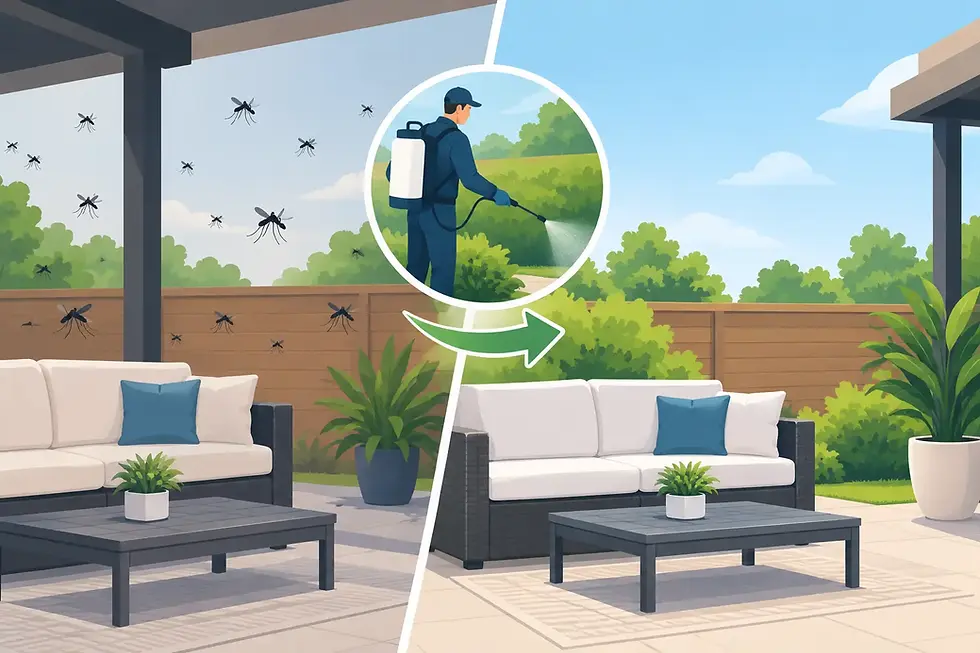
If there is one pest that changes how families use the yard, it is mosquitoes. They do not just annoy people for a few minutes. They can shut down evening dinners, birthday parties, and casual time outside.
That is why seasonal mosquito control is often the fastest way to make a yard feel usable again. During peak mosquito months, recurring service tends to work better than one treatment done too early or too late. Mosquitoes keep breeding, and weather can shift conditions quickly.
Homeowners should also be realistic about expectations. Mosquito reduction is exactly that - reduction. No honest company should promise that a Texas yard will be permanently mosquito-free. What you can expect from a well-run seasonal program is a major drop in activity that makes your outdoor space far more comfortable.
General pest control supports the whole property
Mosquitoes get the most attention because people feel them right away, but they are not the only outdoor problem. Ants, spiders, wasps, fleas, ticks, and roaches often start outside before moving closer to the home.
A year-round home and yard protection plan can be the better option if your goal is broader peace of mind. Instead of reacting every time a problem pops up, you have ongoing coverage that helps manage pest activity through the seasons. That consistency is especially helpful for families who do not want to spend every spring and summer starting from scratch.
This is where a local company often has an advantage. A neighborhood-focused provider understands which pests surge in this area, how the weather affects treatment timing, and what homeowners are most likely to run into around patios, lawns, and foundations.
When one-time service makes sense
There are times when recurring service is ideal, and there are times when you just need the yard ready. Graduation parties, weddings, backyard cookouts, and holiday weekends can all justify a one-time event treatment.
That option works best when you are planning ahead and want to reduce mosquito and pest pressure before guests arrive. It is practical, especially for families who host outside occasionally but are not ready to commit to a full seasonal or year-round plan.
Still, one-time treatments have limits. If the yard has ongoing standing water, dense untreated harborage, or heavy existing pest pressure, the improvement may be shorter-lived than homeowners hope. For some properties, an event spray is a good short-term fix. For others, it becomes clear that regular service would provide more reliable results.
What to ask before choosing a service
If you are comparing providers, keep your questions simple and focused. Ask whether the treatment plan is designed for homes with children and pets. Ask what areas of the yard will be treated, what preparation is needed, and when the space can be used again. Ask whether the service is seasonal, year-round, or event-based.
You should also ask about communication. Good service is not just about product application. It is about knowing what was done, what to expect next, and how to request help if pest activity picks back up.
That straightforward, neighborly approach is one reason homeowners look for local teams like Mosquito And Pest Pros. Families want service that feels dependable and easy, not confusing or overcomplicated.
The safest yard is one your family can actually enjoy
A yard does not have to be perfect to be protected. It just needs a plan that fits your home, your pest pressure, and the way your family lives outside. For some households, that means seasonal mosquito treatments. For others, it means year-round yard and home protection. And for a big gathering, a one-time treatment may be exactly enough.
What matters most is this: pest control should support outdoor living, not make it feel stressful. When your treatment plan is thoughtful, targeted, and family-conscious, the yard starts feeling like part of your home again - a place for evening play, weekend grilling, and letting the dog roam without every minute turning into a swat-and-scratch routine.
If your backyard has become the place everyone avoids, that is usually a sign the pests are running the schedule. A better plan gives that time back.


Comments