
Is Mosquito Treatment Safe for Pets in Your Yard?

A backyard should be a place where your dog can chase a ball, your kids can play after dinner, and your family can sit outside without swatting mosquitoes. But when mosquitoes take over, pet owners have a fair question: is mosquito treatment safe for pets?
The short answer is yes, when treatment is selected carefully, applied according to its label, and given time to dry before pets return outside. Pet safety is not an afterthought. It should be part of the plan from the first conversation through every visit.
Is Mosquito Treatment Safe for Pets? It Depends on the Process
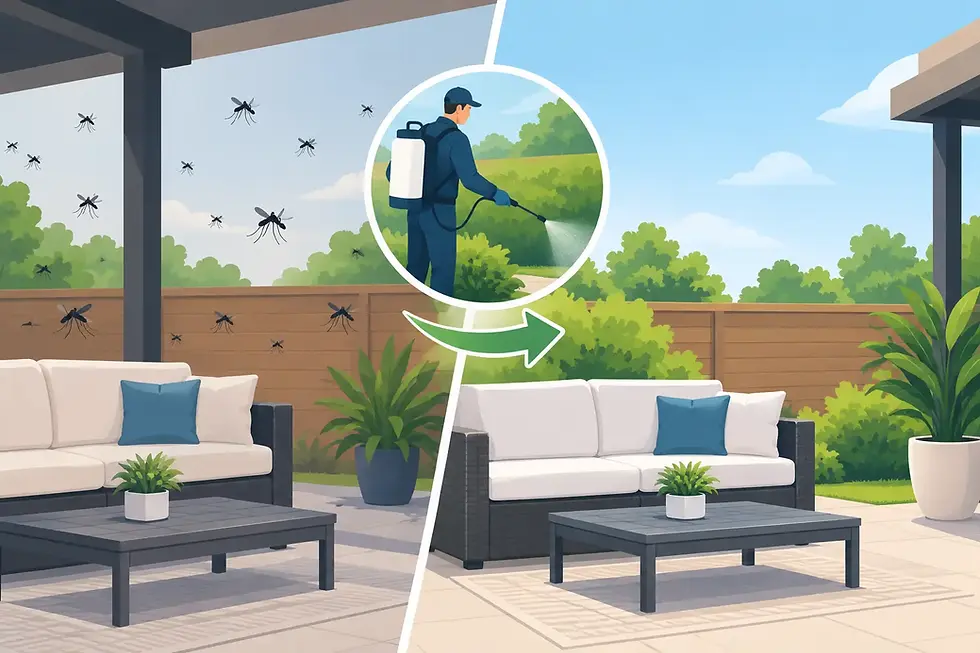
No mosquito product is something a pet should lick, inhale, or walk through while it is still wet. That is why a responsible treatment process matters just as much as the product itself. Professional mosquito treatments are designed to target the areas where mosquitoes rest and breed, such as dense shrubs, shaded landscaping, underneath decks, and other protected outdoor spots.
A trained technician uses the product at the labeled rate and applies it where it can do the most good, rather than broadly soaking every inch of the yard. After the application has dried, pets can generally return to the treated area as directed by the technician and product label.
For most homes, that means keeping dogs and cats indoors during service and waiting until treated surfaces are completely dry. Dry time can vary with temperature, humidity, shade, and the type of treatment used, so the most reliable instruction is the one provided after your specific service. In Texas heat, surfaces may dry quickly, but shaded bushes and thick ground cover can take longer.
“Pet-friendly” does not mean “ignore the instructions.” It means your mosquito control plan is designed with sensible precautions that help protect the animals who share your yard.
Why Professional Application Makes a Difference
Store-bought sprays can seem simple, but it is easy to apply too much, spray the wrong locations, or miss the areas that are actually producing mosquito pressure. A professional approach brings more control to the process.
At Mosquito And Pest Pros, the goal is to help families enjoy their yards while keeping pets in mind. That starts with treating mosquito resting zones instead of turning your entire property into a spray zone. Mosquitoes tend to hide in cool, damp, shaded areas during the day. Targeting those places helps reduce bites while limiting unnecessary application.
Professional service also gives you a person to talk to before treatment begins. If your dog spends most of the day in a particular run, your cat uses a screened patio, or you have a backyard pond, tell your technician. Those details can affect how the treatment is planned.
Simple Steps Pet Owners Should Take Before Treatment
Preparing for mosquito service does not need to disrupt your day. A few quick steps help make the visit safer and more effective.
Bring pets inside before the technician arrives and keep them in until the application has fully dried. Pick up pet toys, food bowls, water bowls, and bedding from the yard so they are not exposed to treatment residue. If your dog has a favorite outdoor blanket or chew toy, bring that in too.
It is also smart to cover or move items that collect water, especially if they are used by pets. Refill outdoor water bowls with fresh water after treatment. If you have a pet door, make sure your pet cannot head outside before the dry time is over.
For households with birds, reptiles, small mammals, or outdoor animal enclosures, mention them before service. These pets can have different sensitivities and housing needs than dogs and cats. A clear conversation ahead of time allows your provider to recommend the right precautions.
Special Care Around Ponds, Fish, and Pollinator Areas
Every yard is different. A standard mosquito plan may need adjustments when there are ponds, fountains with fish, backyard chickens, beehives, or heavily planted pollinator gardens.
Fish and other aquatic life deserve particular attention because some mosquito control products can be harmful if they enter water. Let your technician know about ponds, water features, rain gardens, and drainage areas. They can avoid treating near those features or use an approach suited to the space.
The same goes for beneficial insects. Mosquito treatment should focus on mosquito harborage areas, not indiscriminately cover flowering plants where bees and butterflies forage. If you maintain a pollinator garden, point it out. A thoughtful treatment plan balances your desire for fewer mosquitoes with care for the life you want in your yard.
Mosquito Reduction Works Best Beyond the Spray
Treatment is a valuable part of mosquito control, but it is not the only piece. Mosquitoes need water to reproduce, and even a small amount can become a problem after a North Texas rain. Reducing standing water gives mosquitoes fewer places to develop between services.
Walk your property once a week and empty water from plant saucers, toys, tarps, buckets, wheelbarrows, and clogged gutters. Change water in pet bowls daily. Check that patio drains flow properly and that trash can lids do not hold puddles.
You do not need a perfectly manicured yard to reduce mosquitoes. You simply need to remove easy breeding spots and keep vegetation from becoming an overly dense, damp hiding place. These small habits support professional treatment and help your yard stay more comfortable through mosquito season.
What If Your Pet Has Health Concerns?
If your pet is elderly, very young, pregnant, has a respiratory condition, seizure history, skin sensitivities, or is recovering from illness, take an extra cautious approach. Share that information with your mosquito provider and ask your veterinarian for guidance that is specific to your pet.
The same applies if your pet has had a prior reaction to flea, tick, or lawn-care products. A past reaction does not automatically mean mosquito treatment is unsafe, but it is useful information when deciding on precautions.
After any yard treatment, monitor your pet as you normally would. If you believe your pet has come into contact with a wet product or is showing unusual symptoms, move them away from the area, prevent further exposure, and contact your veterinarian or an animal poison control resource right away. Keeping the service details or product information available can help your veterinarian respond appropriately.
Questions to Ask Before You Schedule
A trustworthy mosquito provider should be comfortable answering straightforward safety questions. Ask what areas will be treated, how long pets should stay off the lawn and landscaping, and whether you need to prepare water bowls or toys. Ask about ponds, gardens, and any unique conditions in your yard.
You should also expect clear post-treatment instructions. The right company will not rush through the safety conversation or leave you guessing when your dog can go back outside. Good service means your family knows what to expect before, during, and after each visit.
For a one-time event treatment, those same rules apply. Keep pets inside during the application and dry time, then let them back out once the treated areas are ready. You can prepare for the party and protect your pet without choosing between a comfortable gathering and a safer backyard routine.
A More Comfortable Yard for the Whole Family
Mosquito control should make outdoor life easier, not add another worry to your household. With properly selected products, targeted application, and a clear dry-time routine, professional mosquito treatment can fit safely into a pet-owning home.
Before your next service, take a moment to point out your pet’s favorite spots, move their outdoor items inside, and ask any questions that will give you confidence. Then, once the treatment has dried, open the door and let your family get back to enjoying the yard together.


Comments