
Mosquito Treatment That Reduces Impact on Beneficial Insects

A backyard should not become off-limits because mosquitoes take over - and mosquito control should not mean treating every insect in sight as a pest. The goal is to reduce impact to beneficial insects when mosquito treatment is necessary, while still giving your family a more comfortable place to relax, grill, play, and host friends.
That balance matters in North Texas. Bees, butterflies, ladybugs, lacewings, and other beneficial insects help pollinate plants or naturally manage certain garden pests. Mosquitoes, on the other hand, can turn a nice evening outside into a race back indoors. A thoughtful approach focuses on the places mosquitoes live and rest, uses products according to their labels, and avoids unnecessary exposure to the insects your yard needs.
Why targeted mosquito control makes a difference
Mosquitoes do not need a pond to become a problem. A little standing water in a flowerpot saucer, clogged gutter, tarp fold, toy, or forgotten bucket can support mosquito breeding. Adults also spend the heat of the day resting in cool, shady, protected areas such as dense shrubs, under decks, around patio furniture, and along fences.
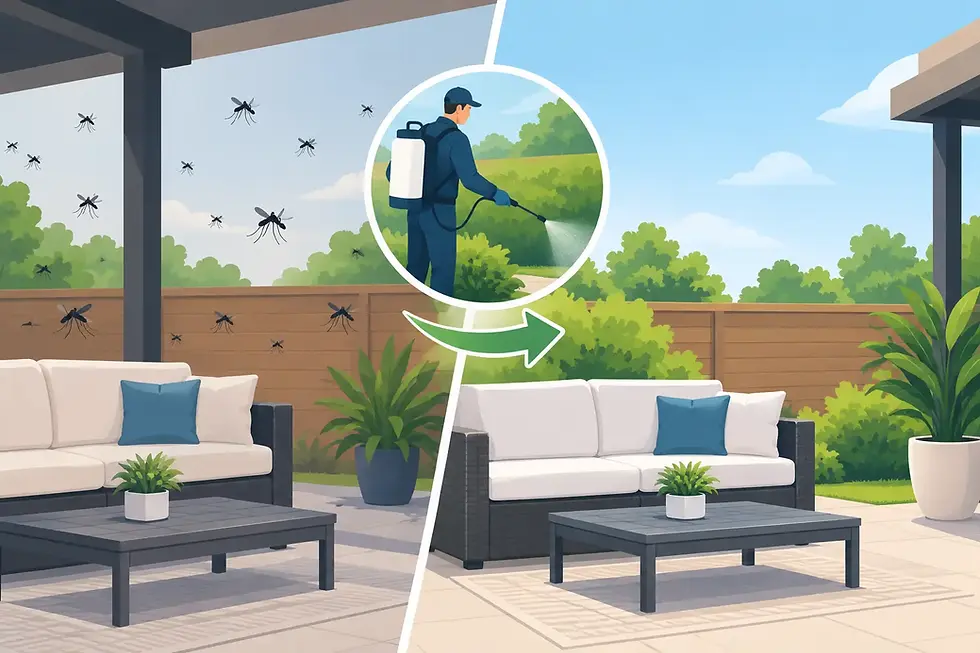
That is why a targeted treatment plan is usually more sensible than a blanket approach. Instead of treating open lawn areas where mosquitoes are less likely to rest, a trained technician can focus on the shaded foliage and protected zones where adult mosquitoes are most active. Less unnecessary coverage means a more responsible use of treatment materials.
For homeowners, this is also the practical path to better results. If breeding sites remain full of water, mosquitoes can keep emerging after a treatment. Pairing professional service with a few simple yard habits gives you stronger seasonal control without turning your whole property into a treatment zone.
How to reduce impact on beneficial insects during mosquito treatment
The best mosquito service starts with inspection, not spraying. Before treatment, look for standing water, dense mosquito harborage, flowering plants, vegetable gardens, fish ponds, and areas where children or pets spend time. Each yard is different, and those details help determine where treatment is useful and where it should be avoided.
Keep treatments off blooming plants
Flowering plants are gathering places for pollinators. Bees, butterflies, and other beneficial insects may visit blooms throughout the day, so treatment should not be applied directly to flowers or plants actively attracting pollinators.
This does not mean you have to give up the flowers that make your yard beautiful. It means a mosquito plan should account for them. Point out pollinator gardens, blooming shrubs, herbs, and vegetable beds before service. A professional can treat nearby mosquito resting areas carefully while leaving those active flowering areas alone when appropriate.
Treat where mosquitoes hide, not everywhere
Mosquitoes prefer shade, moisture, and shelter. The underside of leaves in dense ornamental shrubs, areas beneath decks, shaded fence lines, and protected landscape beds are often higher-value treatment zones than the middle of a sunny lawn.
Focused application helps reduce non-target exposure while addressing the places that contribute most to biting pressure around patios and play areas. It also avoids the false comfort of treating broadly without fixing the conditions mosquitoes depend on.
Schedule service with weather and activity in mind
Wind and rain can affect how well an application performs. Wind can carry spray away from intended areas, while rain soon after treatment may reduce effectiveness depending on the product and surface. A responsible provider watches conditions and follows product directions rather than treating simply because the calendar says so.
Timing matters for beneficial insects, too. Pollinators are generally more active during daylight, especially around flowering plants. Mosquitoes are often more active around dusk and dawn, but treatment timing should always follow the product label and the technician's site-specific plan. There is no one-size-fits-all clock for every yard.
Use the smallest effective treatment area
More product is not automatically better mosquito control. The right amount, in the right location, applied according to label instructions, is the standard homeowners should expect. This approach can help preserve the useful insect activity happening elsewhere in the landscape.
Ask your provider how they identify mosquito resting sites, what areas they avoid, and how they protect gardens and water features. Straight answers are a good sign that the service is built around your property rather than a quick, generic spray.
Your yard habits matter just as much
Professional mosquito treatment works best when homeowners remove easy breeding opportunities between visits. This is one of the most effective ways to lower mosquito populations without applying anything at all.
Once a week, walk the yard after watering or rainfall. Empty water from containers, scrub birdbaths and pet bowls before refilling them, clear toys and tarps that hold puddles, and make sure gutters and drains flow properly. If you have a rain barrel, keep it properly screened. For standing water that cannot be emptied, such as certain drainage areas, ask a pest professional about appropriate mosquito larval control options.
Landscape upkeep helps, too. Trim back overly dense shrubs near patios, keep grass manageable, and remove piles of damp debris where insects can shelter. You do not need a bare yard to reduce mosquitoes. You simply want fewer cool, hidden places directly beside the spaces where your family spends time.
Protect pets, children, and the parts of the yard you love
Homeowners often ask whether mosquito treatments are pet-friendly. The honest answer depends on the product used, where it is applied, and whether label directions are followed. A reputable provider should explain any preparation and re-entry instructions clearly.
Before service, bring in pet dishes, toys, and items that could be directly exposed. Keep children and pets away from treatment areas until they are dry or for the period specified by the technician and product label. Cover or move sensitive items when requested, and let your provider know about ponds, aquariums, chickens, vegetable gardens, or specialty plants.
Water features deserve special attention. Mosquito control near a pond is different from treating around a standard shrub bed because fish, frogs, and aquatic insects can be sensitive. Never assume a product is appropriate for water or its edge. Share that information during the inspection so the plan can be adjusted.
When a one-time treatment makes sense
A one-time event treatment can be a helpful option before an outdoor wedding, birthday party, backyard BBQ, or family gathering. It can reduce mosquito pressure around the spaces guests will use, particularly when paired with cleanup of standing water and a little advance planning.
Still, it is not magic. Heavy rain, nearby untreated breeding sites, dense vegetation, and high seasonal mosquito activity can all affect results. For families who want ongoing relief through the warmest months, regular seasonal mosquito service is often the more dependable choice because it addresses activity over time instead of only preparing for one date on the calendar.
For homeowners in Murphy, Sachse, Garland, Rowlett, Rockwall, Sunnyvale, and Lake Highlands, mosquito pressure can rise quickly after Texas rain and heat. A local technician who understands those patterns can help identify the trouble spots around your particular yard.
Questions worth asking your mosquito control provider
You do not need to become a pest control expert to make a good choice. Ask whether the service includes an inspection for standing water, whether flowering plants and gardens are identified before treatment, and how the technician chooses treatment areas. It is also reasonable to ask for clear pet and child re-entry guidance.
At Mosquito And Pest Pros, the goal is simple: help families enjoy their yards with a practical plan built around their outdoor space. That means treating mosquito pressure seriously while respecting the gardens, pets, and everyday life already happening there.
A few minutes spent emptying water, pointing out blooming plants, and discussing your yard's sensitive areas can make a meaningful difference. Your backyard can be more comfortable for people and still remain a welcoming place for the beneficial insects that help it thrive.


Comments