
How to Stop Mosquito Breeding in Your Yard

A single bottle cap holding rainwater can produce mosquitoes in a matter of days. That is why learning how to stop mosquito breeding is more effective than simply swatting the mosquitoes already flying around your patio. In North Texas, warm temperatures and sudden rain can turn ordinary backyard items into breeding spots fast.
The good news is that most mosquito breeding can be prevented with a few consistent habits. The goal is simple: remove standing water, keep water that must remain outdoors moving or treated, and reduce the cool, damp places where adult mosquitoes rest. With the right routine, your family can spend more time enjoying the yard and less time running back inside.
How to Stop Mosquito Breeding at the Source
Mosquitoes need standing water to lay eggs. Depending on the species and the weather, eggs can develop into biting adults in about a week. After a summer rain, that means a small overlooked puddle can quickly become part of a much larger mosquito problem.
Walk your property once a week, and again after heavy rain. Look beyond the obvious places. Birdbaths and clogged gutters matter, but so do the little containers that collect water around a home: toys, flowerpot saucers, tarps, wheelbarrows, outdoor furniture covers, trash can lids, buckets, and the folds of a grill cover.
Empty and scrub containers that hold water. Dumping water is a good first step, but a quick scrub helps remove eggs that may be stuck along the inside edge. Store buckets, planters, and children’s toys upside down when they are not in use. If an item needs to stay outside, make sure it drains completely.
Pay special attention to low spots in the lawn. Compacted soil, poor drainage, and sprinkler runoff can leave shallow puddles that linger longer than expected. Filling low areas, adjusting sprinkler timing, or improving drainage can reduce the water mosquitoes need without making your yard harder to maintain.
Do not forget gutters and drains
Gutters packed with leaves can hold water for weeks. They also provide shelter, organic material, and a quiet place for mosquitoes to develop. Clean gutters regularly, keep downspouts flowing away from the foundation, and check that splash blocks and drain openings are not blocked.
Storm drains and curbside drains should not be treated casually with household products. If water is consistently pooling in a public drainage area, contact your city. For water on your own property, address the drainage issue rather than hoping it dries before mosquitoes find it.
Handle Water You Want to Keep
Not every source of water should be emptied. A birdbath, rain barrel, pond, or pet water bowl may be part of your daily yard routine. The key is making these areas less inviting for mosquito larvae.
Change birdbath and pet bowl water at least once or twice a week. Fresh water is better for pets and birds, and regular changes interrupt the mosquito life cycle. A small fountain or agitator can help in a birdbath or ornamental pond because mosquitoes prefer calm water. Still, moving water is not a complete substitute for maintenance, especially around edges where water may remain still.
Rain barrels should have a tight-fitting screen over every opening, including overflow areas. Repair torn screens right away. If you use a barrel for gardening, check the lid after storms and avoid leaving water exposed in open containers nearby.
Ponds are a different situation. Healthy ponds with circulation and appropriate fish are generally less likely to become major breeding sites than stagnant water. But a neglected pond with heavy debris, clogged pumps, or shallow stagnant edges can support mosquitoes. Keep the pump working, remove excess leaves, and ask a pest professional for guidance before adding any treatment to water that supports fish, wildlife, or plants.
Reduce the Places Adult Mosquitoes Hide
Stopping breeding is the foundation, but it will not immediately remove every mosquito already in your yard. Adult mosquitoes rest in shady, humid spots during the day, then come out when the temperature drops. Thick shrubs, tall grass, cluttered patios, and dense ground cover can give them the cover they want.
Keep grass trimmed and prune shrubs so air can move through them. Clear leaf piles, stacked pots, and unnecessary yard clutter from around patios, play areas, and doors. You do not need a bare yard to reduce mosquitoes. You simply want fewer damp, protected hiding spots close to the places your family uses most.
Be thoughtful with irrigation, too. Watering late in the day can leave turf and landscape beds damp through the evening, right when mosquitoes become more active. Morning watering usually gives lawns and plants more time to dry. The right schedule depends on your soil, plants, and local watering rules, but avoiding frequent overwatering helps both your landscape and your mosquito-control efforts.
Protect the Areas Where Your Family Gathers
A clean yard is a strong start, but outdoor comfort often takes more than water control during a Texas mosquito season. Mosquitoes can fly in from neighboring properties, wooded areas, drainage corridors, and other nearby breeding sources you cannot control. That is why a layered approach works best.
Use fans on patios and covered porches when possible. Mosquitoes are weak fliers, and moving air makes it harder for them to land and bite. Keep doors closed or make sure window and door screens fit properly. For evenings outdoors, wear light-colored, loose-fitting clothing that covers more skin when mosquito activity is high.
Repellents can help for personal protection, especially during yard work, sports practices, or walks near areas with vegetation. Follow the product label closely, and choose a product appropriate for the people using it. Children, pets, and outdoor spaces all deserve a little extra care when deciding what to apply and where.
For larger gatherings, timing matters. Mosquito pressure often rises near sunset, particularly after rain or during humid stretches. If you are planning a backyard BBQ, graduation party, or wedding, start water cleanup well ahead of the event. A one-time professional treatment can also help make the space more comfortable when you want your guests focused on the celebration, not the bites.
When DIY Yard Care Needs Professional Support
Weekly water checks can make a real difference, but they are not always enough. If you have a large property, thick landscaping, recurring mosquito pressure, or nearby water that you cannot manage, professional service can add another layer of protection.
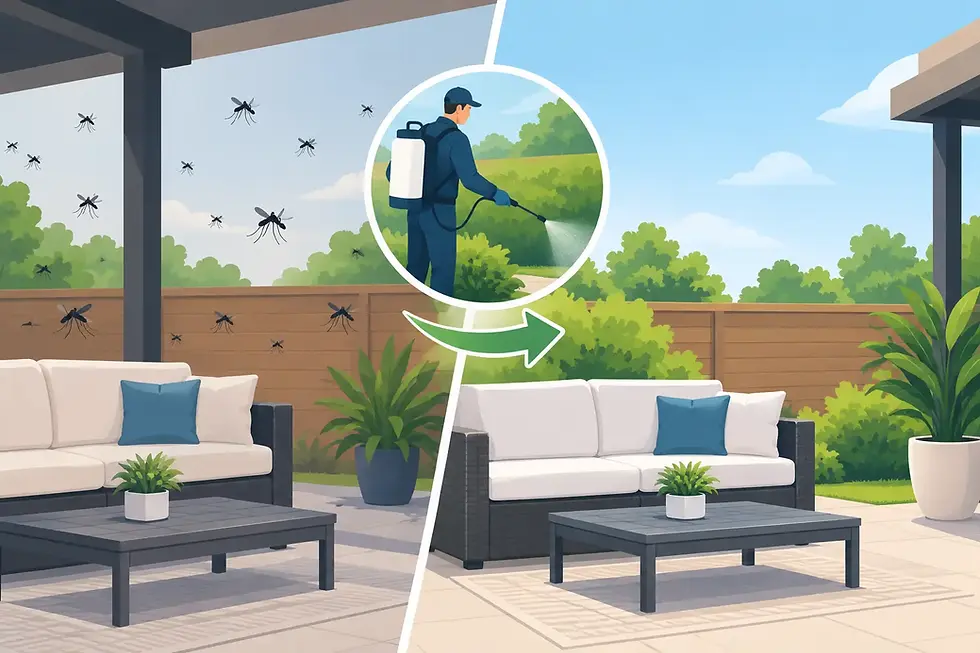
A seasonal mosquito program targets the areas where adult mosquitoes rest and travel around the yard. It works alongside the homeowner habits that prevent breeding, rather than replacing them. The best results come from both: fewer places for new mosquitoes to develop and fewer adult mosquitoes around patios, play spaces, and entryways.
For families in Murphy, Sachse, Garland, Rowlett, Rockwall, Sunnyvale, and Lake Highlands, local conditions can change quickly after rain. Mosquito And Pest Pros provides pet-friendly treatment options designed to help homeowners reclaim their outdoor spaces without turning mosquito control into another complicated weekend project.
A Simple Weekly Mosquito Check
Set aside 10 minutes each week for a quick yard walk. Start near the house, then check the patio, fence line, garden beds, and areas behind sheds or outdoor equipment. Empty water, turn containers over, refresh pet and bird water, and look for puddles that have not drained.
After a storm, repeat the walk within a day or two. This small habit is far easier than dealing with a mosquito population once it has settled into your yard.
Your backyard should be the place where kids play, pets stretch out in the shade, and friends stay for one more conversation after dinner. A little attention to standing water today helps keep those moments comfortable all season long.


Comments