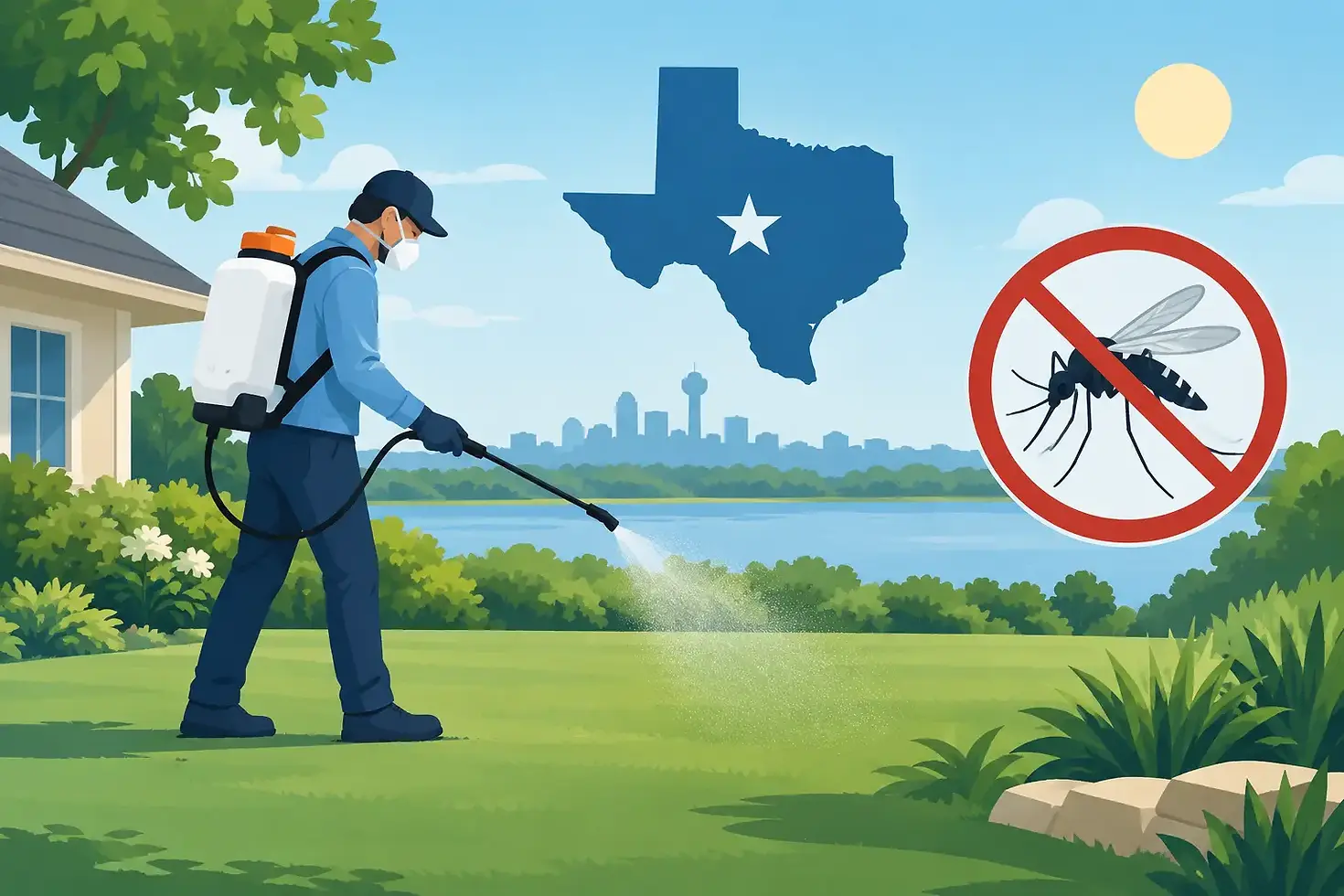
When Should Mosquito Spraying Begin in Texas?

A warm March afternoon can make a North Texas backyard feel like spring arrived overnight. Then the first few mosquito bites show up at dinner, during the kids’ game, or while the dog is out in the yard. So, when should mosquito spraying begin? For most homeowners in the Murphy, Sachse, Garland, and Rowlett area, the best answer is before mosquitoes become a daily problem - usually in early spring, not after the population has already taken over.
Starting early gives your yard a better chance to stay comfortable through the months when mosquitoes are most active. It also means you can plan outdoor time around family and friends instead of around bug spray and bites.
When Should Mosquito Spraying Begin in North Texas?
In North Texas, mosquito control often begins in March or early April. A mild winter, warm stretches of weather, or frequent spring rain can move that timeline up. Mosquitoes become more active as temperatures rise, and they reproduce quickly when standing water is available.
Waiting until you see clouds of mosquitoes around the patio is understandable, but it puts you in catch-up mode. By then, adults may already be resting in shaded shrubs, under decks, around fences, and near other protected spots in the yard. A seasonal treatment plan that begins before peak activity helps reduce the buildup before backyard season is in full swing.
There is no single calendar date that works for every property. A dry, cool spring may delay mosquito pressure, while rainy weather and a warm February can bring it on sooner. The goal is simple: get ahead of the first generation rather than reacting to the fifth.
Why Early Mosquito Treatments Make a Difference
Mosquitoes need water to develop, but they do not need much of it. A clogged gutter, an overturned toy, a planter saucer, or a low spot that holds rainwater can create an opportunity for mosquitoes to multiply. After several warm, wet weeks, the change in your yard can feel sudden.
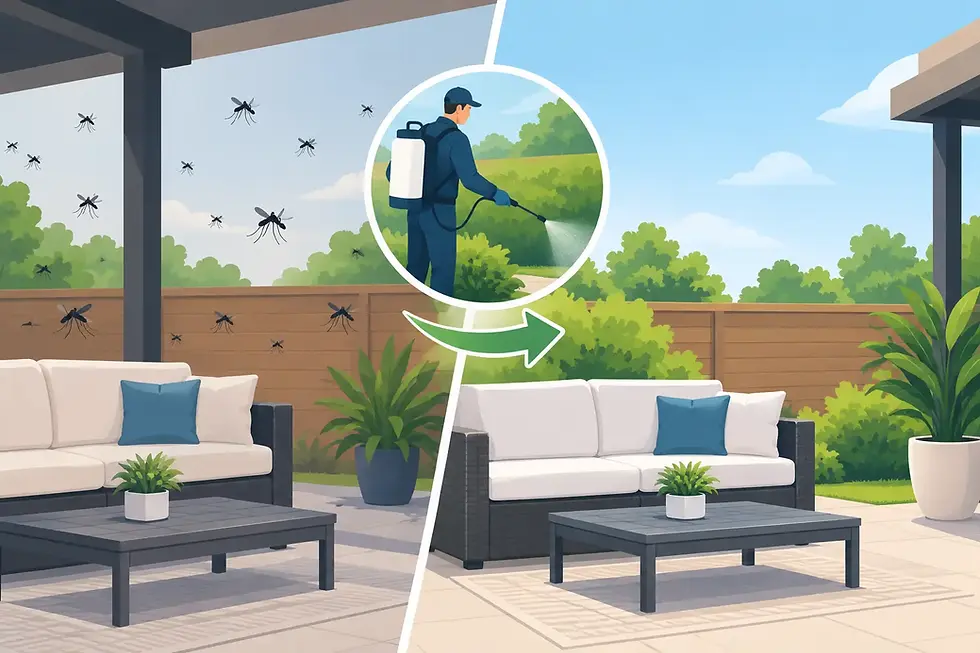
Professional mosquito spraying focuses on the places adult mosquitoes tend to hide and rest during the day. That includes dense landscaping, shaded areas around the home, fence lines, patio edges, and similar protected spaces. Starting service early creates a more consistent barrier during the season instead of relying on one treatment after bites become unbearable.
Early treatment is especially helpful for families who use their outdoor spaces often. If your children play in the backyard, your pets spend time outside, or your patio is where you gather for dinner, mosquito control is about more than convenience. It is about making your yard feel usable again.
A realistic expectation matters, too. No service can promise that every mosquito will disappear from every yard, especially after major rains or when neighboring properties have heavy breeding areas. Regular treatments and simple yard habits work together to make a meaningful reduction in mosquito activity.
Signs It Is Time to Start Spraying
You do not have to wait for a full-blown infestation to schedule mosquito service. If you notice mosquitoes at dusk, bites after a few minutes outside, or increased activity around shaded landscaping, it is time to act. Homes near creeks, ponds, drainage areas, greenbelts, or heavily wooded lots may need to start earlier because those conditions can support mosquito activity.
Rain is another strong signal. Several rounds of spring rain followed by warm weather can quickly increase mosquito pressure. The same is true after irrigation issues or any yard condition that leaves water sitting for days.
If mosquitoes were a major problem last year, use that experience to plan ahead. Starting a seasonal mosquito program before the same time of year gives you a better shot at enjoying the patio, pool, and grill without the usual swarm.
A Seasonal Schedule That Fits Texas Weather
For many North Texas homeowners, mosquito service runs from spring through fall. March or early April is often the right starting point, with recurring treatments through the warmer months. Mosquito activity generally stays high through summer and can continue well into fall when temperatures remain warm.
The exact treatment interval depends on the service plan, weather, property layout, and mosquito pressure. Heavy rain can create new breeding areas, while thick vegetation can provide more places for adult mosquitoes to rest. A dependable program is built around regular visits, not a one-and-done approach.
A one-time spray can still be a great fit when you have a specific need. Maybe you are hosting a graduation party, backyard wedding, birthday celebration, or weekend barbecue. Event protection can help make the space more comfortable for guests, but it is not a replacement for ongoing seasonal service at a property with recurring mosquito pressure.
For an event, plan ahead rather than calling the morning of the party. Weather and scheduling can affect the best treatment timing. Giving your local mosquito professional a few days’ notice makes it easier to prepare the yard properly and choose the right window before guests arrive.
Help Your Mosquito Treatment Work Harder
Spraying is most effective when it is paired with a yard that gives mosquitoes fewer places to breed and hide. You do not need to turn weekend yardwork into a science project. A few routine habits can make a real difference:
Empty standing water from buckets, toys, plant saucers, wheelbarrows, and outdoor containers after rain.
Keep gutters flowing and check low areas of the yard that stay wet.
Trim back overgrown shrubs and vegetation near patios, walkways, and exterior walls.
Refresh pet water regularly and keep pool covers, tarps, and outdoor equipment from collecting water.
These steps will not eliminate mosquitoes on their own, particularly during a wet Texas spring. They do help reduce the conditions that allow mosquito populations to rebound between treatments.
What About Kids, Pets, and Time Outside?
Homeowners should always follow the instructions provided by their pest control professional. With a professional, pet-friendly treatment approach, the usual guidance is to allow treated areas to dry before children and pets return to the yard. Drying time can vary with weather, shade, humidity, and the treatment used, so asking before each service is the right call.
A good provider should be straightforward about what is being applied, where it is being applied, and what your family needs to do before and after treatment. That clarity matters when the backyard is shared by kids, dogs, cats, and visiting neighbors.
At Mosquito And Pest Pros, the focus is on practical service that helps families enjoy their yards with less hassle. Whether you need seasonal mosquito reduction or want your backyard Party Ready for a special gathering, the right timing starts with treating before mosquito season gets comfortable in your space.
Do Not Let the First Bite Set Your Schedule
The best time to begin mosquito spraying is when spring weather starts waking mosquitoes up - not when every trip to the mailbox ends with bites. If warmer days, spring rain, or last year’s mosquito problems are already on your mind, early service can help protect the outdoor moments you have been waiting for all winter.
Your backyard should be where your family relaxes, your pets roam, and your guests linger after dinner. Starting early gives that space a much better chance to feel like yours all season long.


Comments