
How to Remove Mosquito Larvae From Birdbaths Safely

A birdbath should bring songbirds to your yard, not give mosquitoes a place to multiply. The good news is that when you remove mosquito larvae from birdbaths quickly and keep the water fresh, you can protect your family’s outdoor space without taking away a favorite stop for local birds.
In North Texas, a few warm days can be enough for mosquitoes to develop in still water. If you notice tiny, dark, wiggling shapes near the surface of a birdbath, act that day. Those larvae are not biting yet, but they can become adult mosquitoes surprisingly fast.
How to Spot Mosquito Larvae in a Birdbath
Mosquito larvae look like small, thin worms that wiggle or jerk through the water. They usually hang near the surface because they need air. If disturbed, they often dart downward, then float back up.
You may also see comma-shaped mosquito pupae. Pupae move more actively and do not eat, but they are still close to becoming adult mosquitoes. Treat both sightings as a sign the water needs attention.
Birdbath water can also collect pollen, leaves, algae, and feathers. That organic material gives mosquito larvae food and makes the bath less inviting for birds. A quick check during your normal yard routine can prevent a small issue from turning into a backyard mosquito problem.
Empty, Scrub, and Refill the Same Day
The most dependable way to remove larvae is simple: dump out the old water, scrub the basin, and refill it with clean water. Pour the water onto dry ground or a well-draining area away from your patio, doors, and places where it could puddle.
Use a stiff brush to remove the slippery film that forms along the bowl and rim. Mosquito eggs can cling to surfaces just above the waterline, so do not skip the sides. For routine cleaning, plain water and a brush are usually enough.
If the birdbath is especially dirty, wash it with a mild cleaning solution that is safe for birdbath use, then rinse it thoroughly before refilling. Birds drink and bathe in this water, so residue matters. Avoid leaving any soap, disinfectant, or cleaning product behind.
A good goal is to change birdbath water every two to three days during mosquito season. In a hot Texas stretch, daily checks are even better. Fresh water helps prevent mosquitoes and gives birds a cleaner place to visit.
Why Topping Off the Water Is Not Enough
Adding fresh water to an existing birdbath may make it look cleaner, but it does not remove larvae, pupae, eggs on the sides, or the buildup that supports them. The basin needs to be emptied completely.
This is one of the most common backyard mistakes. A birdbath can look clear while still holding mosquito larvae, especially in shaded spots where water stays cool and still.
Keep the Water Moving
Mosquitoes prefer quiet, stagnant water. A small birdbath fountain, bubbler, or dripper can make the water less attractive for egg-laying while adding a pleasant sound to your patio or garden.
Movement helps, but it is not a substitute for cleaning. A weak fountain may leave calm pockets around the edges, and wind, debris, or a clogged pump can stop circulation without you noticing. Check the water level and pump regularly, especially after storms.
If you do not want to add a fountain, place the birdbath where a breeze can reach it rather than in a completely still, hidden corner. That may help, but regular water changes remain the most reliable choice.
When Mosquito Dunks May Help
For birdbaths that cannot be emptied often, a mosquito control product labeled for use in birdbaths may be an option. Products containing Bti, short for Bacillus thuringiensis israelensis, are designed to target mosquito larvae before they mature.
Always read and follow the product label. Not every mosquito treatment is appropriate for a birdbath, wildlife area, or water accessible to pets. Use only the amount directed, and never assume a product is safe simply because it is sold for mosquitoes.
Bti can be useful when travel, rain, a busy schedule, or a hard-to-reach birdbath makes frequent dumping difficult. Still, it works best as backup to good water maintenance. It will not remove leaves, algae, or the grime that makes a birdbath unhealthy for birds.
What Not to Put in a Birdbath
Trying a home remedy can create a bigger problem than the mosquitoes. Do not add cooking oil, essential oils, bleach, dish soap, or pool chemicals to a birdbath. These materials can affect birds, pets, beneficial insects, and the water itself.
Avoid using pesticides that are not specifically labeled for the setting. Birdbaths are part of a living yard environment, and treatments meant for a patio crack or ornamental pond are not automatically right for a bowl where birds drink.
If you are unsure about a product, choose the safer first step: empty, scrub, rinse, and refill. That process removes larvae immediately without introducing anything extra into the water.
Make the Rest of the Yard Less Mosquito-Friendly
A clean birdbath makes a real difference, but one water source is rarely the only reason mosquitoes are active around a home. Adult mosquitoes can develop in surprisingly small amounts of standing water elsewhere in the yard.
Once a week, walk your property with a practical eye. Look for water collected in plant saucers, kids’ toys, tarps, wheelbarrows, clogged gutters, grill covers, trash can lids, and outdoor containers. Turn over what you can, drain what you cannot use, and keep rainwater from sitting for days.
Pay close attention after rain. Murphy, Sachse, Garland, Rowlett, Rockwall, Sunnyvale, and Lake Highlands homeowners know how quickly a storm can leave hidden pockets of water around the yard. Reducing those breeding spots gives mosquitoes fewer chances to build up near your doors, patio, and play areas.
Birdbaths and Mosquito Control Can Work Together
You do not need to choose between welcoming birds and enjoying a lower-mosquito yard. The balance is regular care: clean water for birds, no standing water long enough for mosquitoes to develop, and a yard routine that catches problems early.
For a birdbath used every day by birds, frequent water changes may feel like one more chore. But it is a short task with a visible payoff. You get a cleaner feature in the yard, fewer mosquito breeding opportunities, and a more comfortable place for your family and pets to spend time outside.
When Backyard Mosquitoes Keep Coming Back
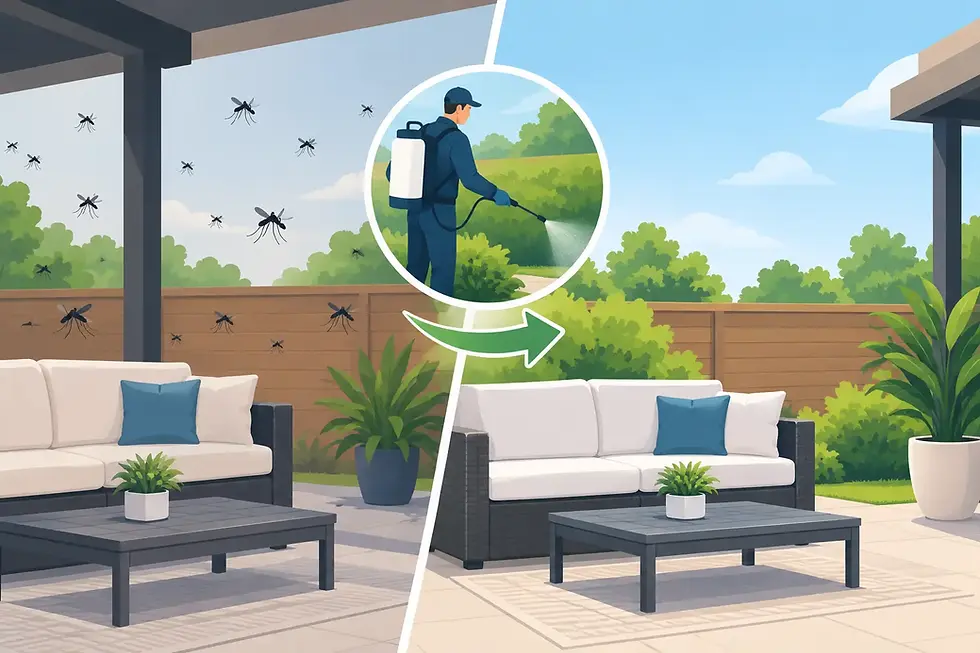
If you are emptying the birdbath and draining containers but mosquitoes still make your patio unusable, the breeding source may be nearby but hard to see. Dense landscaping, drainage areas, neighboring standing water, and sheltered resting spots can all contribute to adult mosquito activity.
That is when professional seasonal mosquito control can help support the work you are already doing at home. Mosquito And Pest Pros helps homeowners reduce mosquito pressure around the places that matter most, including patios, play spaces, pool areas, and gathering spots. Professional treatment works best alongside source reduction, not instead of it.
Before your next backyard dinner, kids’ playdate, or weekend coffee on the patio, take two minutes to check the birdbath. Fresh water is a small habit that helps keep your yard welcoming to birds and far less welcoming to mosquitoes.


Comments