
Bugs Coming From Neighboring Yards? What to Do

A backyard can feel perfectly cared for, yet mosquitoes start buzzing at dusk, ants appear along the patio, or roaches show up near the garage. When that happens, it is natural to wonder about bugs coming from neighboring yards. The truth is that pests do not recognize fences, but you still have meaningful ways to protect your family, pets, and outdoor time.
A nearby property may be contributing to the pressure, especially after Texas rain or during warm stretches of the year. But the best solution is rarely an uncomfortable conversation or trying to pinpoint every single insect. It is creating a stronger barrier around your own home and yard while addressing the conditions pests need to survive.
Can Bugs Really Come From Neighboring Yards?
Yes. Mosquitoes, ants, spiders, roaches, flies, fleas, and other common North Texas pests can move between adjoining properties with ease. A fence can define where one yard ends and another begins, but it will not stop a mosquito searching for a blood meal or an ant colony expanding toward a new food source.
Mosquitoes are especially mobile. They may breed in standing water next door, then rest in shaded shrubs on your property before becoming active around sunset. Ants can nest beneath a neighbor's driveway, landscape edging, or mulch bed and travel across multiple yards to find water and food. Roaches may move through shared fence lines, utility areas, drains, and dense vegetation.
That does not always mean the neighbor's yard is the only source. Pest activity is usually a neighborhood-wide issue shaped by weather, drainage, landscaping, nearby construction, pet activity, and the availability of food and shelter. One untreated yard can add pressure, but even a well-kept block can have mosquito problems after heavy rain.
What Attracts Pests Across Property Lines?
Pests move toward the resources they need. Understanding those resources helps you focus on solutions that will make a real difference rather than spending every weekend chasing bugs around the yard.
Standing Water Draws Mosquitoes
Mosquitoes need water to reproduce, and it does not take much. Clogged gutters, birdbaths, plant saucers, tarps, wheelbarrows, toys, buckets, and low spots in the lawn can all hold enough water for mosquito breeding. A neglected pool or water feature nearby can create significant pressure for surrounding homes.
Still, mosquitoes do not necessarily spend all day where they hatch. They often rest in cool, damp, shaded areas like hedges, shrubs, tall grass, under decks, and around patio furniture. That means your yard can become the place mosquitoes hide, even if their breeding source is elsewhere.
Food, Pet Waste, and Trash Invite Other Pests
Ants, roaches, flies, and rodents are drawn to easy meals. Open garbage lids, overflowing bins, fallen fruit, outdoor pet food, grease near grills, and uncollected pet waste can attract pests from several yards away. Once pests find a reliable food source, they often establish regular travel paths.
If you see activity near your outdoor kitchen, patio, garage, or trash area, look for what may be feeding it. Small cleanup changes can help, although they may not be enough to control an established population on their own.
Thick Landscaping Creates Shelter
Overgrown vegetation, woodpiles, leaf litter, stacked pots, and clutter near the home create protected places for pests to rest and nest. Dense greenery along a fence can be particularly attractive because it gives pests a covered route from one property to the next.
You do not need to turn your yard into bare ground to reduce pests. Trimming shrubs away from the home, clearing excess debris, and keeping grass reasonably maintained can make the area less inviting while preserving the landscape your family enjoys.
How to Tell Where the Problem Is Starting
It is usually impossible to prove that every pest came from one neighboring yard. Instead, pay attention to patterns. Do mosquitoes become unbearable after rain? Are ants following a visible trail under the fence? Are roaches showing up around the same utility line or drainage area? Does the activity increase near a particular side of your yard?
These details can help identify where pests are entering or resting. They also help a pest professional develop a treatment plan that targets the areas that matter most.
For mosquitoes, watch when activity is highest. If you are being bitten around dusk in shaded areas, mosquitoes may be resting in vegetation close to where your family spends time. If bites are worse after rain, breeding sites and pooled water deserve closer attention. If you notice fleas in the grass, consider wildlife, roaming pets, and shaded areas where moisture lingers.
Keep in mind that some insects are seasonal visitors rather than a sign that your property is dirty or neglected. Texas weather can create ideal pest conditions quickly. The goal is not to blame yourself or a neighbor. The goal is to reduce the conditions that let the problem continue.
What You Can Do on Your Side of the Fence
Start with the steps that make your yard less appealing and improve the results of professional treatment. Walk your property after a rainstorm and dump any standing water you find. Refresh birdbaths regularly, clear gutters, and check items that can collect water without being obvious.
Keep trash contained, bring pet food indoors after meals, and clean grill drips or food spills promptly. Pick up fallen fruit and pet waste on a regular schedule. Along fence lines, remove unnecessary clutter and trim back plants that touch the house or create dense, damp cover.
Check doors, garage seals, window screens, and gaps around pipes or utility lines. Yard pests can become indoor pests when they find easy access. A clean, sealed home gives you another layer of protection when pressure is high outdoors.
Avoid relying on a single bug spray from the store when the issue keeps returning. Short-term products may knock down the insects you see, but they often miss breeding areas, harborages, and travel routes. They can also lead to inconsistent results when pests are coming from beyond your property line.
When a Neighbor Conversation Makes Sense
A friendly, calm conversation can be helpful if you have noticed a clear issue, such as standing water that has remained for days or a shared fence line with heavy pest activity. Keep the conversation focused on the shared problem, not on blame. Most neighbors want to enjoy their yard without mosquitoes and roaches too.
You might mention that you have noticed more mosquitoes after rain and ask whether they have seen the same thing. If there is a simple shared concern, such as water collecting near the fence or vegetation growing through it, a cooperative fix can benefit both households.
Some situations are not appropriate for a direct conversation. If the problem involves severe property neglect, an abandoned pool, ongoing sanitation concerns, or an unsafe situation, contact the appropriate local code enforcement or public health office instead. Your safety and comfort should come first.
Why Professional Yard Treatment Helps
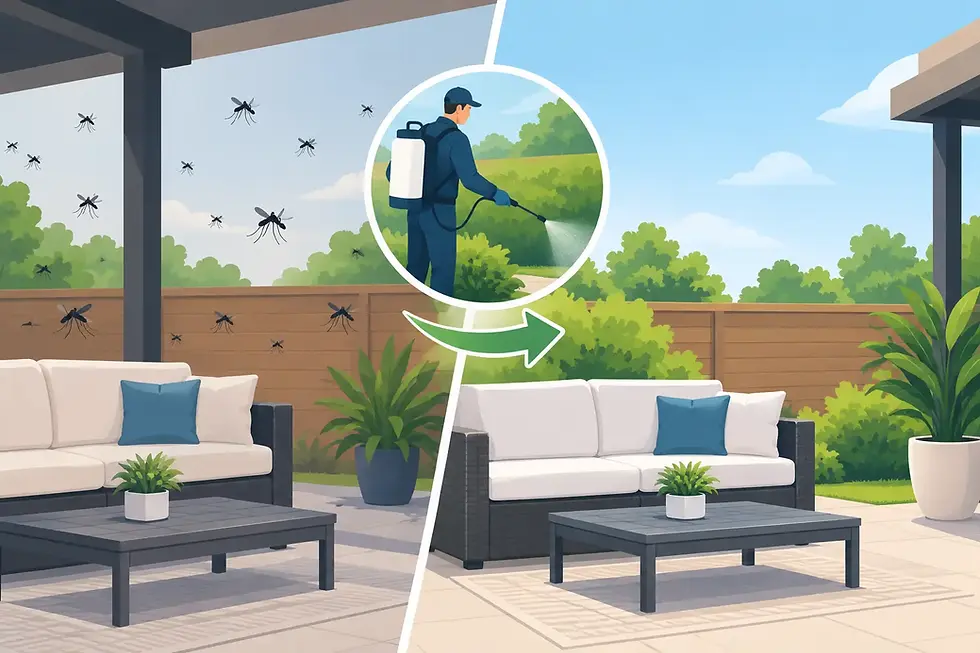
When bugs are crossing property lines, a professional program gives your property a consistent defense. Treatment is designed around the pests, the season, and the areas where they rest, travel, and enter your home. For mosquito reduction, that often means focusing on shaded foliage, landscaped areas, patio zones, and other resting places around the yard.
A recurring service schedule matters because mosquito and pest pressure changes with rainfall, temperature, and breeding cycles. One treatment can improve conditions for a short time, but ongoing coverage is more dependable when you want to use your backyard throughout the season.
At Mosquito And Pest Pros, homeowners can choose straightforward seasonal mosquito control for peak outdoor months or full-year home and yard protection for broader pest concerns. Treatments are selected with families and pets in mind, so you can spend less time worrying about what is crawling or biting outside and more time enjoying the space.
For an outdoor wedding, cookout, birthday party, or neighborhood gathering, one-time event protection can also help reduce mosquito pressure before guests arrive. It is a practical option when the calendar matters just as much as the comfort of your yard.
Protect the Space Your Family Uses
You cannot control every condition beyond your fence, and you do not have to. Focus on eliminating water and shelter where you can, sealing entry points, and building reliable protection around the places your family uses most.
If mosquitoes are keeping the kids indoors, pets are getting bothered in the grass, or you are tired of checking the patio before every get-together, it is a good time to ask for a professional assessment. A comfortable backyard should feel like part of your home, not a place you avoid when the bugs show up.


Comments