
A Guide to Outdoor Pest Prevention for Texas Yards

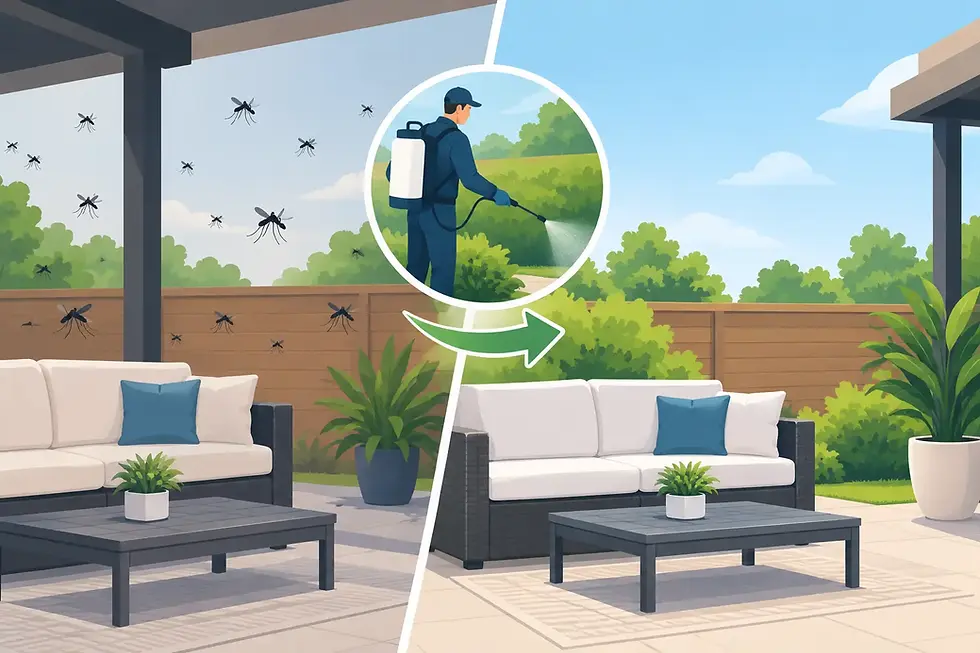
A Texas backyard can go from party-ready to off-limits in a single humid week. Mosquitoes swarm around patio lights, fire ants appear near the playset, and flies make dinner outside feel like work. This guide to outdoor pest prevention helps homeowners take practical steps that make a real difference - while knowing when professional support can help keep the problem from coming back.
The goal is not to create a yard with zero insect activity. Beneficial insects belong outdoors, and Texas weather creates ideal conditions for many pests. The goal is to reduce the pests that bite, sting, invade, or keep your family from enjoying the space you work hard to maintain.
Start With the Conditions Pests Need
Most outdoor pest problems get worse because a yard provides three things: water, food, and shelter. Removing every possible source is not realistic, especially during a North Texas summer. But small changes around the property can take away the easiest places for mosquitoes, ants, roaches, and flies to settle in.
Walk your yard after watering or rain. Look for standing water in plant saucers, toys, tarps, clogged gutters, wheelbarrows, birdbaths, and low spots in the lawn. Mosquitoes can breed in surprisingly small amounts of water, so emptying containers and refreshing pet water bowls regularly matters more than many homeowners realize. If a birdbath is part of your landscape, change the water at least once a week.
Pay attention to drainage near the foundation, too. Persistent puddles can support mosquito activity and create moisture that attracts other pests. A simple grading or drainage fix may solve a bigger problem than another can of store-bought spray ever will.
Food sources deserve the same attention. Keep trash can lids closed, clean up fallen fruit, and avoid leaving pet food outside. After a cookout, wipe down outdoor tables and pick up crumbs around grills and seating areas. These habits will not eliminate pests on their own, but they make your yard less inviting.
Guide to Outdoor Pest Prevention: Focus on Mosquitoes
Mosquito prevention works best when you combine property maintenance with consistent treatment during mosquito season. One approach without the other often leaves homeowners frustrated. You can remove standing water, for example, but mosquitoes can still fly in from nearby yards, greenbelts, drainage areas, and wooded spaces.
Make the yard less mosquito-friendly
Keep grass trimmed and pull back overgrown shrubs from patios, walkways, and play areas. Mosquitoes rest in cool, shaded vegetation during the day, especially when temperatures climb. You do not need to strip your yard of shade, but thinning dense growth and keeping plants maintained near gathering areas can reduce hiding spots.
Check screens on porches, windows, and doors. A small tear can become an easy way for mosquitoes and other flying pests to move closer to the home. If your family spends time on the patio in the evening, use fans when possible. Mosquitoes are weak flyers, and moving air can make a seating area noticeably more comfortable.
Personal repellent can also help for walks, sports practices, and evenings outside the treatment area. It is a useful layer of protection, but it should not be the only plan for a backyard your family uses every day.
Avoid relying on quick fixes alone
Citronella candles, bug zappers, and occasional foggers may offer a little relief in the right setting, but they rarely control a neighborhood-level mosquito problem. Bug zappers can also kill beneficial insects. Foggers provide short-term knockdown, yet their effect can fade quickly if breeding sites and resting areas are not addressed.
For homeowners in Murphy, Sachse, Garland, Rowlett, Rockwall, Sunnyvale, and Lake Highlands, mosquito pressure can remain high through much of the warm season. Consistent seasonal service is often the more convenient choice for families who want to use the yard without making pest control another weekend chore.
Keep Ants, Roaches, and Other Pests Away From the House
The best outdoor pest prevention also protects the line between your yard and your home. Ants, roaches, spiders, and other crawling pests often begin outside, then move indoors when they find moisture, food, or a gap around the structure.
Start at the foundation. Move mulch, firewood, leaf piles, and stored items away from exterior walls when possible. These materials can hold moisture and create quiet shelter close to entry points. Firewood is best stored off the ground and away from the home, even if it is only used occasionally.
Seal obvious cracks around pipes, utility lines, doors, and windows. Door sweeps are especially useful when there is visible daylight under an exterior door. This will not solve every pest issue, but it reduces easy access and supports the effectiveness of ongoing treatments.
Outdoor lighting can also influence pest activity. Bright white lights may attract more flying insects around doors and patios. If insects gather heavily around a specific entryway, consider using warmer bulbs and placing lights farther from the door when practical. It depends on your security needs and the layout of the property, so there is no one setup that works for every home.
Protect Pets and Kids While Managing Pests
Families should never have to choose between pest control and peace of mind. Read product labels carefully before using any do-it-yourself treatment, and keep children and pets away from treated areas for the full label-directed time. Do not assume a product is safe simply because it is sold for home use.
Be especially cautious around pet water bowls, vegetable gardens, pollinator plants, and favorite play areas. Store pesticides in their original containers and out of reach. Mixing products or applying more than directed does not usually create better results. It can create unnecessary exposure and make it harder to understand what is actually working.
Professional pest control offers a more targeted option for households that want dependable coverage without managing products, schedules, and application details themselves. Ask how treatments are applied, what preparation is needed, and when family members and pets can return to treated areas. Clear answers are part of good service.
Prepare Early for Outdoor Gatherings
A wedding shower, graduation party, birthday, or backyard barbecue has a fixed date. Mosquitoes do not care. Planning pest prevention ahead of time is far less stressful than trying to solve a biting-insect problem an hour before guests arrive.
About one to two weeks before the event, remove standing water, mow and edge the lawn, tidy dense vegetation around seating areas, and make sure trash containers are clean and covered. On the day of the gathering, set up fans near food tables and conversation areas. Keep drinks covered and clear plates promptly to discourage flies and wasps.
For an event with a larger guest list or a known mosquito problem, a one-time professional treatment can help make the space more comfortable. It is particularly helpful when guests will be outside near dusk, when mosquito activity often increases.
Know When It Is Time for Ongoing Help
A few mosquitoes after rain are normal. Repeated bites every time your family steps outside, trails of ants near the foundation, roaches around patios, or pests moving into the house are signs that the problem needs a more consistent plan.
DIY efforts are often best for basic maintenance and small, isolated issues. Professional service is usually worth considering when pests return quickly, the yard has recurring conditions that are hard to control, or you simply want your weekends back. A seasonal mosquito program can support outdoor comfort during peak months, while year-round home and yard protection can address broader pest pressure across the property.
Mosquito And Pest Pros helps local families choose straightforward coverage based on how they use their yards - whether that means a season of outdoor protection, ongoing home-and-yard service, or a one-time Party Ready treatment before guests arrive.
Your backyard should be a place for bare feet, family dinners, and relaxed evenings - not a place everyone rushes through. Start with the simple conditions you can control, then choose the level of protection that lets your family enjoy the outdoors with less worry.


Comments